In a commercial kitchen, equipment reliability is not optional—it is foundational to consistent service, food safety, and customer satisfaction. Yet many operators delay or skip preventative and scheduled maintenance, often viewing it as an avoidable expense rather than a strategic investment. Over time, this decision can introduce significant operational risk, increase unplanned downtime, and lead to higher repair costs that far exceed the price of routine service.
Taylor Arizona works with foodservice operators across diverse environments and has seen firsthand how neglected maintenance impacts revenue, staff efficiency, and equipment lifespan. Understanding why proactive service matters—and what happens when it is ignored—can help operators protect both their business and their equipment.
Why Maintenance Is More Than a Line Item on a Budget
Commercial kitchen equipment operates under constant stress. High temperatures, refrigeration cycles, moving mechanical parts, and sanitation demands all contribute to gradual wear. Preventative and scheduled maintenance are designed to address this wear before it results in failure.
When maintenance is skipped, small issues compound quietly. Components fall out of calibration, seals degrade, airflow becomes restricted, and refrigeration systems strain to maintain performance. These changes rarely cause immediate shutdowns—but they significantly increase the likelihood of sudden failure during peak business hours.
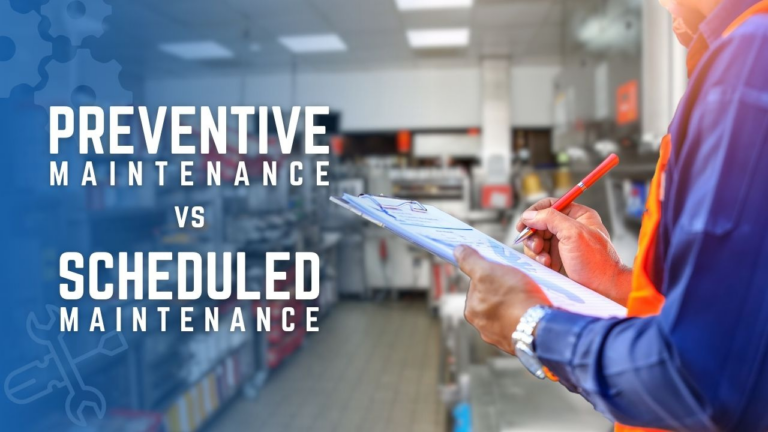
Scheduled Maintenance vs. Preventative Maintenance: Understanding the Difference
While the terms are sometimes used interchangeably, scheduled maintenance and preventative maintenance serve different purposes within a comprehensive service strategy.
Preventative Maintenance
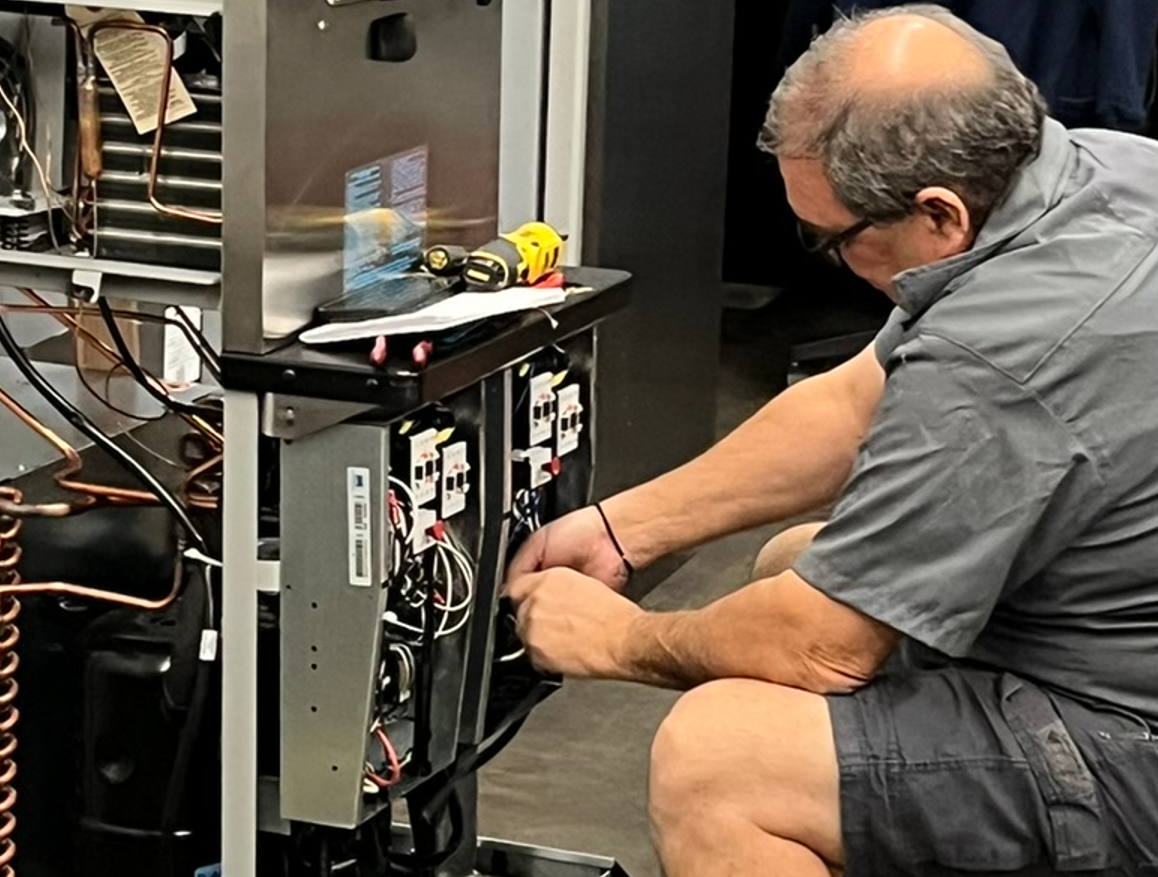
Preventative maintenance focuses on individual pieces of equipment and is typically performed:
- Quarterly, semi-annually, or annually
- Based on manufacturer recommendations and usage
- With attention to wear items, inspections, lubrication, calibration, and performance testing
This approach targets known stress points before failure occurs and helps preserve equipment efficiency and lifespan.
Scheduled Maintenance
Scheduled maintenance takes a broader, whole-kitchen approach and is performed more frequently:
- Often every 60–90 days
- Covers multiple pieces of equipment in one visit
- Provides standardized inspections, adjustments, and sanitation checks
Many successful operations use both strategies together, ensuring high-risk equipment receives focused care while the entire kitchen benefits from consistent oversight.
Preventative vs. Reactive Maintenance: A Critical Operational Distinction
One of the most important differences in commercial kitchen service strategies is the distinction between preventative and reactive maintenance.
Preventative Maintenance
Preventative maintenance is proactive by design. It is:
- Planned and predictable
- Cost-effective over time
- Focused on uptime, reliability, and long-term equipment health
By identifying issues early, preventative service helps operators avoid surprise breakdowns, protect revenue, and maintain consistent service quality.
Reactive Maintenance
Reactive maintenance occurs after equipment fails. It is:
- Unplanned and disruptive
- More expensive due to emergency labor, parts, and downtime
- Stressful for staff and management
Lost sales, dissatisfied guests, and operational bottlenecks often accompany reactive repairs, especially when failures occur during high-volume service periods.
Why Skipping Maintenance Puts Revenue at Risk
Equipment downtime does more than interrupt operations, it directly impacts revenue. When a critical piece of equipment goes offline:
- Menu items may be removed or limited
- Service slows, increasing wait times
- Staff productivity drops as workflows are disrupted
- Customers may choose not to return
Even short outages can result in lost sales that outweigh the cost of regular maintenance. Over time, repeated failures erode customer trust and strain employee morale.
Equipment Health and the Rising Cost of Deferred Service
Machines that do not receive routine maintenance often experience accelerated wear. Components such as compressors, motors, belts, seals, and control boards are forced to operate under suboptimal conditions. When these parts fail, repairs are typically more complex and costly.
Deferred maintenance can also:
- Void or limit warranty coverage
- Shorten overall equipment lifespan
- Increase the frequency of emergency service calls
What begins as a skipped inspection often ends as a major repair—or premature equipment replacement.
When Reactive Maintenance Becomes Unavoidable
Despite best efforts, emergencies can still occur. In those moments, responsive reactive maintenance is essential.
Reactive maintenance refers to unscheduled service performed after equipment has already failed or is no longer operating correctly. While necessary in urgent situations, it often comes with:
- Higher service and labor costs
- Lost revenue from downtime
- Disruption during critical business hours
- Increased pressure on staff and customers
These challenges highlight why proactive maintenance programs are so valuable.
Reactive Maintenance & Emergency Service Support
For urgent issues, please call the Taylor Arizona Emergency Support line at 602-276-1733 and press 1. We aim to respond as quickly as possible.
Types of Reactive Maintenance Situations
Reactive service typically falls into several categories:
Emergency Breakdown Repairs
Immediate response for equipment failures that halt operations, compromise food safety, or prevent service entirely.
Performance Failure Service
Support for equipment producing inconsistent output, temperature instability, error codes, or declining performance.
Safety and Compliance Issues
Urgent repairs related to electrical faults, refrigeration failures, or sanitation concerns that pose regulatory or health risks.
Component Failure Replacement
Replacement of critical parts such as compressors, motors, control boards, belts, and seals using genuine OEM components.
A Smarter Long-Term Strategy for Commercial Kitchens
Reactive maintenance will always have a role in commercial kitchens—but it should be the exception, not the strategy. Operators who prioritize preventative and scheduled maintenance benefit from:
- Greater equipment uptime
- Predictable service costs
- Longer equipment life
- More consistent customer experiences
Many operations that initially rely on emergency service eventually transition to proactive maintenance programs after experiencing the true cost of unplanned downtime.
How Taylor Arizona Helps Protect Equipment and Operations
Taylor Arizona supports commercial kitchens with a full spectrum of service solutions—from preventative and scheduled maintenance programs to responsive reactive and emergency support. Through factory-authorized technicians, genuine OEM parts, and deep equipment expertise, Taylor Arizona helps operators reduce risk, control costs, and keep kitchens running reliably.
When maintenance is treated as an operational priority rather than a last-minute fix, equipment performs better, staff work more confidently, and customers enjoy a consistent experience—day after day.