
Adding soft serve to a menu can be a profitable and popular decision for many foodservice operators. But selecting the right commercial soft serve machine requires more than choosing a brand or the highest output model. The best investment balances performance, reliability, ease of use, and long-term support.
When operators understand what to look for and what to avoid they can make a confident decision that supports consistent product quality and long-term success. Here are seven common mistakes operators make when purchasing soft serve equipment, along with practical guidance to help avoid them.
Mistakes to Avoid When Buying Soft Serve Machines
1. Skipping the Planning Phase
One of the most frequent mistakes is rushing into a purchase without evaluating space, workflow, and service needs. A machine may look impressive on paper, but if it doesn’t fit the available footprint, meet electrical requirements, or align with the menu, it can cause major operational issues.
Operators should start by answering key questions such as:
- How much counter or floor space is available?
- Will soft serve be served all day or only during peak hours?
- Will the operation need single or multi-flavor capabilities?
- What are the electrical and plumbing requirements?
Taking the time to plan ensures the machine fits the environment and supports efficient workflow.
2. Misjudging Capacity & Demand
Too much capacity can lead to wasted product and higher maintenance costs, while too little capacity can cause long lines, machine strain, and inconsistent quality. Matching machine output to actual customer demand is critical.
Operators should consider:
- Peak service times
- Average order volume
- Flavor rotation frequency
- Expected growth and seasonal fluctuations
Accurate capacity planning helps prevent overworking the machine or under-serving customers during busy periods.
3. Overlooking the Importance of Authorized Service
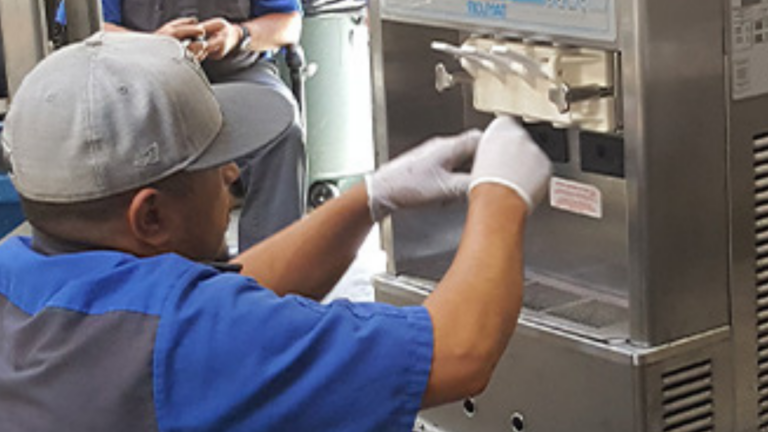
The machine itself is only one part of the equation. Operators often underestimate the importance of reliable service and support. When equipment needs installation, maintenance, or repair, the service network becomes a crucial factor in long-term performance.
Authorized technicians receive factory training and follow approved procedures, helping protect equipment performance and warranty coverage. Choosing a machine without considering service options can lead to costly downtime and unexpected repairs.
4. Ignoring Essential Features
Not all soft serve machines are built the same, and the right features depend on the operation. Important considerations include:
- Countertop vs. floor models
- Gravity-fed vs. pump-fed systems
- Heat treatment capability
- Ease of cleaning
- Simple controls and training requirements
- Flavor flexibility
Operators should focus on the features that support their menu, staff skill level, and service volume rather than being swayed by optional extras.
5. Ignoring Warranty & Long-Term Costs
A low sticker price can be misleading if long-term service and maintenance costs are high. Operators should evaluate the full cost of ownership, including:
- Warranty terms and conditions
- Required service schedules
- Replacement part availability
- Support network reliability
Planning for long-term service and maintenance protects the investment and reduces the risk of unexpected expenses.
6. Delaying Staff Training
Training should begin before the machine is in full use. Operators who wait until after opening to train staff often experience operational errors, longer service times, and inconsistent product quality.
Hands-on training helps staff understand proper operation, cleaning, and troubleshooting. Training builds confidence and ensures the machine is used correctly from day one.
7. Neglecting a Maintenance Plan
Soft serve machines are long-term investments and require routine care. Neglecting maintenance is one of the most costly mistakes an operator can make.
A proactive maintenance plan should include:
- Daily cleaning and sanitizing
- Scheduled deep cleaning
- Preventive maintenance checks
- Replacement part planning
Operators should build a maintenance routine before installation to keep equipment running smoothly and extend its lifespan.
How Taylor Arizona Can Help
Selecting the right soft serve machine is a strategic decision that impacts product quality, service speed, and long-term profitability. Taylor Arizona supports operators with expert guidance, reliable equipment, and a network of authorized distributors who provide installation, training, and ongoing service.
With the right planning and support, operators can avoid common mistakes and choose equipment that meets their needs for years to come.