
Keeping Commercial Kitchens Running Reliably
Successful foodservice operations depend on equipment that performs consistently, day after day. From soft serve machines and fryers to refrigeration and cooking equipment, each component plays a critical role in maintaining speed, food quality, and safety. Over time, however, even the best commercial equipment experiences wear.
Knowing when parts need replacement, not just repair, can help kitchen operators avoid unexpected downtime, rising repair costs, and premature equipment failure. This guide outlines the most common indicators that replacement parts may be required and explains how proactive decisions protect long-term performance.
The Importance of Routine Equipment Maintenance
Scheduled Inspections Reveal Early Warning Signs
Routine maintenance is the foundation of reliable equipment performance. Scheduled inspections allow technicians and operators to identify minor issues before they become costly problems. Regular evaluations also help ensure equipment operates efficiently, uses energy effectively, and maintains consistent output.
Maintenance Tasks That Highlight Part Wear
During cleaning, lubrication, and calibration, technicians often uncover early signs of component fatigue. Worn seals, stretched belts, inconsistent temperatures, or excessive vibration typically indicate parts nearing the end of their service life.
Common Indicators That Parts May Need Replacement
Declining Performance or Efficiency
A noticeable drop in performance is often the first sign of part wear. Equipment that heats more slowly, freezes inconsistently, or struggles to maintain temperature may require replacement components rather than adjustment alone.
Unusual Sounds or Excessive Vibration
Grinding, rattling, buzzing, or sudden vibration can indicate failing motors, bearings, fans, or internal assemblies. Addressing these issues early helps prevent secondary damage to surrounding components.
Repeated Repairs on the Same Component
When the same issue continues to resurface, repairs may no longer be the most cost-effective solution. Replacing worn components can reduce long-term repair costs and restore equipment reliability.
Repair vs. Replacement: Making the Right Decision
Evaluating Wear and Physical Condition
Cracks, corrosion, deformation, or excessive wear typically signal that replacement is the safer option. Seals, gaskets, belts, and bearings should be replaced promptly once visible deterioration appears.
When Repairs No Longer Solve the Problem
If performance issues persist after repairs, the underlying component may be compromised. Continuing to repair worn parts often leads to higher costs and increased downtime over time.
The Risks of Delaying Part Replacement
Increased Repair Costs
Failing components place added stress on other parts, accelerating overall wear. A single neglected part can trigger a chain reaction that leads to more extensive repairs.
Potential for Complete Equipment Failure
Delaying replacement increases the likelihood of total equipment shutdown. Emergency downtime can result in lost revenue, operational disruption, and rushed decision-making under pressure.
Understanding OEM vs. Non-OEM Replacement Parts
Why OEM Parts Matter
OEM (Original Equipment Manufacturer) parts are engineered specifically for the equipment they support. They ensure proper fit, preserve performance standards, and protect manufacturer warranties.
Risks of Aftermarket or Inferior Components
Non-OEM parts may not meet performance specifications and can cause premature failure, safety concerns, or warranty issues. Using the correct parts is essential for long-term reliability.
Selecting the Right Replacement Parts
Compatibility Is Critical
Even small differences in specifications can affect equipment performance. Replacement parts should always match the exact model and manufacturer requirements.
Following Manufacturer Guidelines
Manufacturers provide detailed recommendations on service intervals and part replacement. Adhering to these guidelines helps protect equipment investments and maintain operational consistency.
When Professional Support Is Essential
Knowing When to Involve a Technician
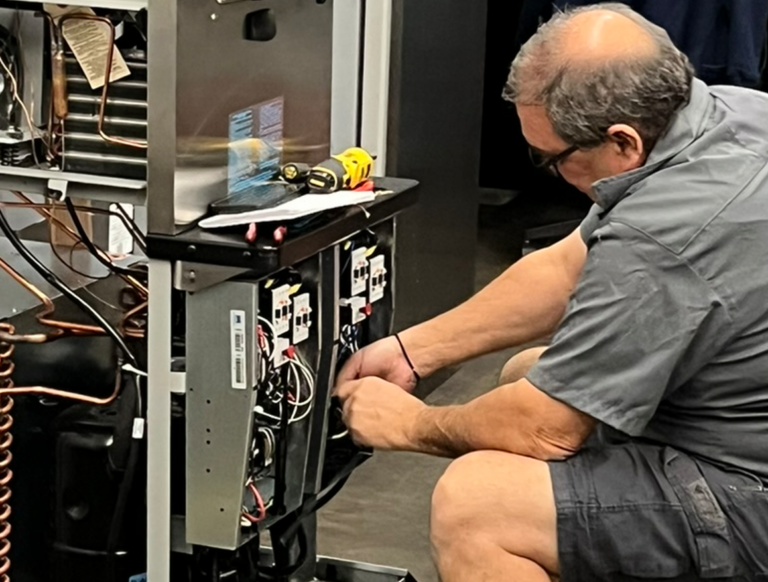
While some routine tasks can be handled internally, complex diagnostics and installations require trained professionals. Certified technicians ensure accurate assessment and proper installation.
The Value of Authorized Service Providers
Factory-trained technicians have access to manufacturer documentation, specialized tools, and genuine parts—ensuring repairs and replacements are done correctly the first time.
Preventing Premature Part Wear
Consistent Cleaning and Care
Routine cleaning prevents buildup that accelerates wear. Filters, seals, and contact surfaces benefit most from consistent attention.
Monitoring Usage Patterns
High-volume or extended-use equipment may require more frequent inspection and part replacement. Understanding usage patterns helps anticipate maintenance needs.
Protecting Performance Through Proactive Decisions
Recognizing when replacement parts are needed is a critical part of maintaining reliable commercial kitchen operations. Addressing declining performance, unusual sounds, or recurring issues early helps prevent downtime, control costs, and extend equipment lifespan.
By combining routine maintenance with informed replacement decisions, operators can keep kitchens running efficiently—even in the most demanding environments.
How Taylor Arizona Can Help
Taylor Arizona supports foodservice operators with factory-trained technicians, genuine OEM parts, and expert guidance to help identify when replacements are needed. Through proactive service and manufacturer-backed support, Taylor Arizona helps protect equipment performance, reliability, and long-term value.